Books
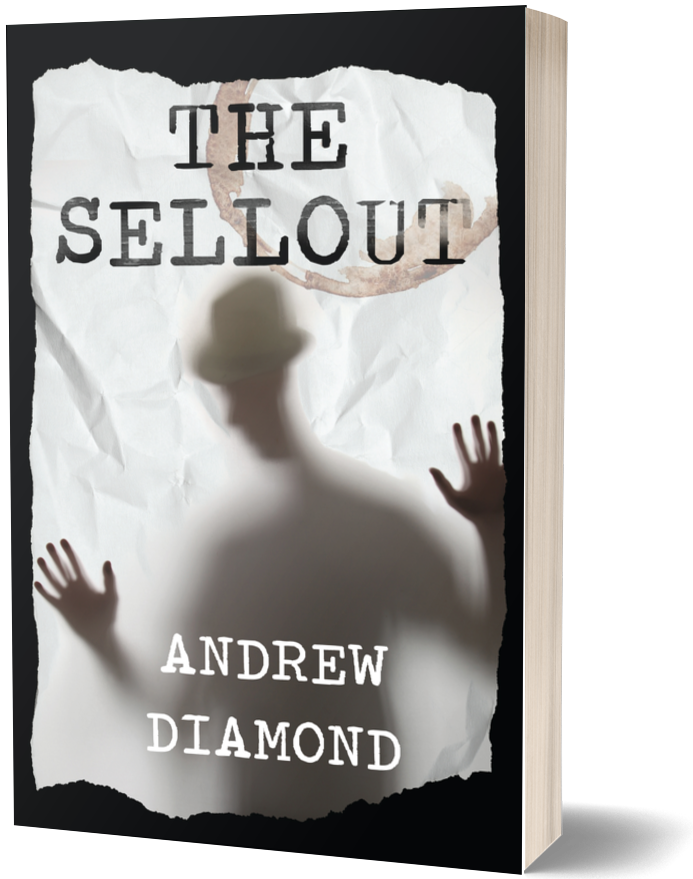
The Sellout
A writer of crappy thrillers is punished by having to live inside the novel of an even crappier author.
One of the most unique books I have ever had the pleasure of reading... intriguing, suspenseful, and action-packed, complete with an utterly unpredictable ending. – The Feathered Quill
A gripping thriller that delves into the dark side of success, identity, and the consequences of compromising one’s artistic integrity... A thought-provoking and entertaining read. – Natalie Soine, Readers' Favorite

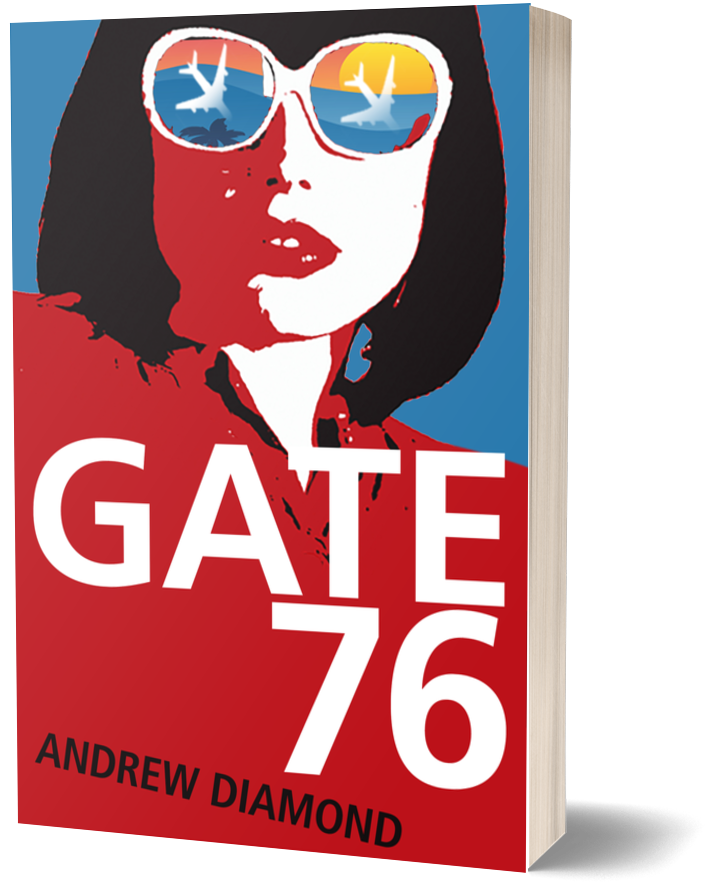
Gate 76
A tough detective tracks down the last surviving witness to a crime that has captivated the nation—a troubled woman who doesn't want to be found.
A consummate thriller with some of the best characterization you’ll see all year. — Kirkus Reviews (starred review & best of the year selection)
One of the year’s best thrillers. — BestThrillers.com
- Named to Kirkus Reviews Best Books of 2018
- Named to BestThrillers.com's Best Books of 2018
- Silver Medal, eLit Book Awards, 2018
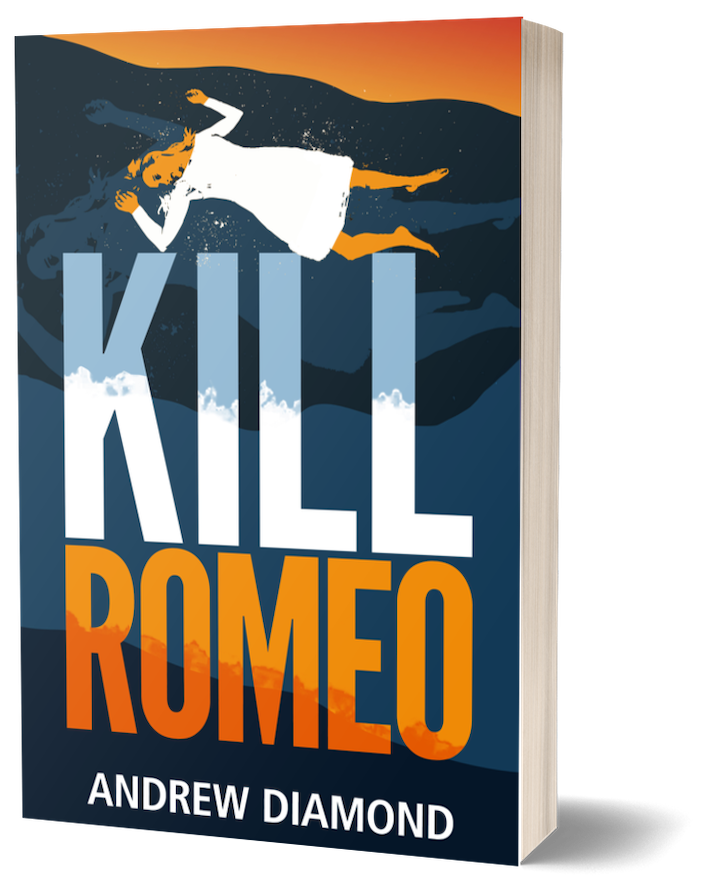
Kill Romeo
Haunted by the murder of a young woman in the woods, investigator Freddy Ferguson pursues a killer who's playing a bigger, more dangerous game.
The murder mystery driving Kill Romeo is first-rate. So too is the writing... The sum is a novel that is simultaneously entertaining, suspenseful and cathartic. — BestThrillers.com
A thrilling page-turner. Add this to your summer 'must read' list! — Feathered Quill Book Reviews
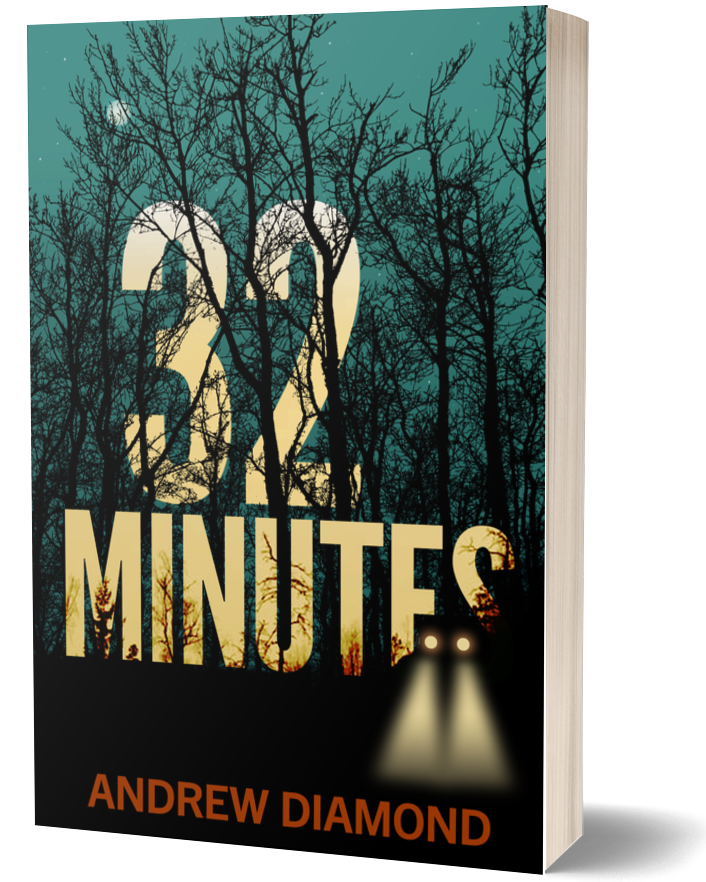
32 Minutes
The seemingly unrelated disappearances of a respected tech executive and an unemployed addict lead to the unraveling of a multi-million-dollar financial conspiracy.
Diamond crafts an absorbing plot and surprises with well-placed curveballs that will have you guessing what's coming next with each page turn. But the well-fleshed-out characters are the highlight of the book... Freddy is a complex protagonist with inner conflict and layers to peel away beneath his outer persona. — Readers' Favorite
[A]nother strong entry from this author in the detective subgenre... [leading] through a morass of drug dealings, mega-dollar investment fraud, and multiple murders... 32 Minutes is a tricky whodunit written in a brisk, straightforward style, peopled with plausible and quirky characters that readers can root for against deplorable bad guys. — The Feathered Quill
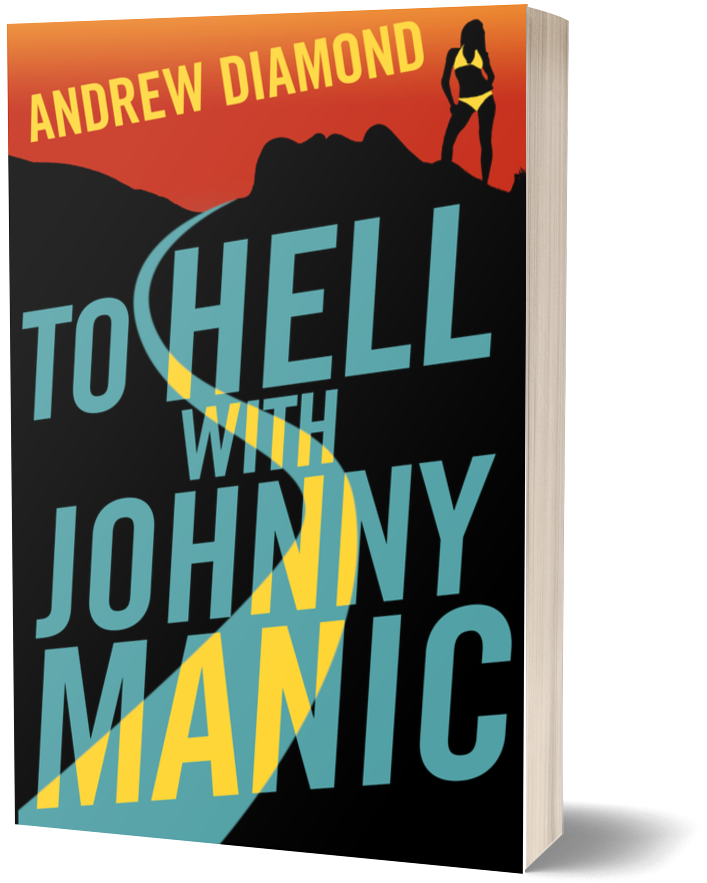
To Hell with Johnny Manic
A con man on the run, a femme fatale, and a hard-nosed detective cross paths in this twisting old-school noir.
A feverishly readable psychological noir. - Kirkus Reviews
A truly riveting tale of deception, murder and psychological suspense… One of the year’s best thrillers. - BestThrillers.com (Best of the year slection)
The build-up of psychological suspense and the evolution of evil is truly compelling… highly recommended for crime readers who like their stories introspective, brooding, and psychologically astute. – Midwest Book Review
- Named to BestThrillers.com's Best Books of 2018
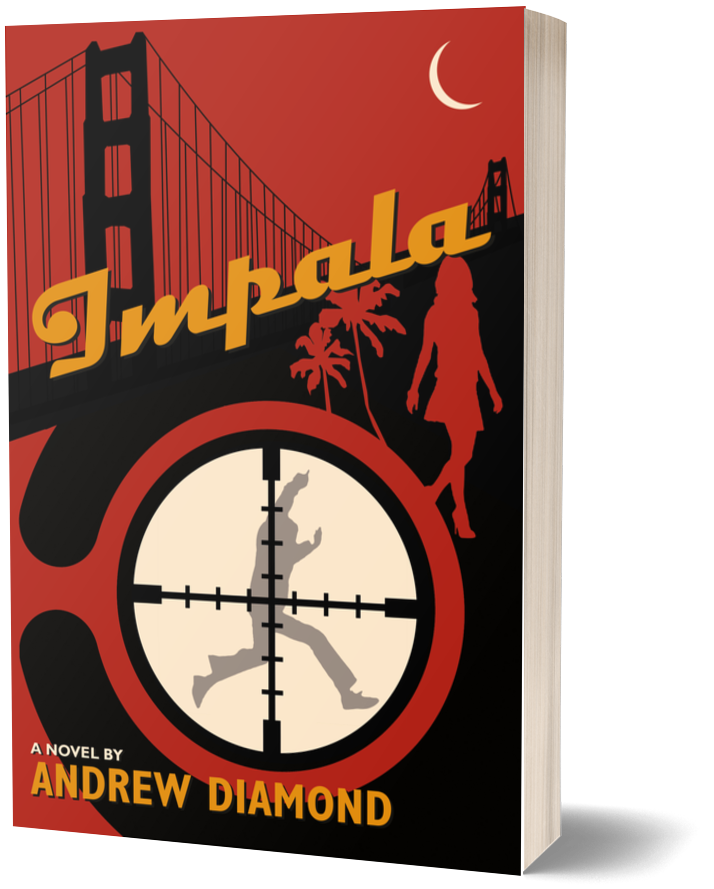
Impala
A brilliant hacker, a stolen fortune, angry thugs, crooked cops, a mysterious beauty, and a dead man communicating from beyond the grave.
[Diamond] gets all the little things right, as well as the big ones, in this riveting novel... A convincing, complex cyberthriller. — Kirkus Reviews
A smart, wholly engrossing cyber crime novel... full of hard-hitting insights that ring true. A must-read for any thriller fan. — BestThrillers.com
Fast-paced, suspenseful, clever, and darkly humorous... highly recommended. — Readers Favorite
A fast-paced, page-turning, relentless story from start to finish. — IndieReader.com
- 2016 Writer's Digest Gold Medal for genre fiction
- 2017 Readers' Favorite Gold Medal for mystery/thriller
- Selected by Amazon.com editors as a best mystery/thriller
- An IndieReader as a best of the year mystery (2016)
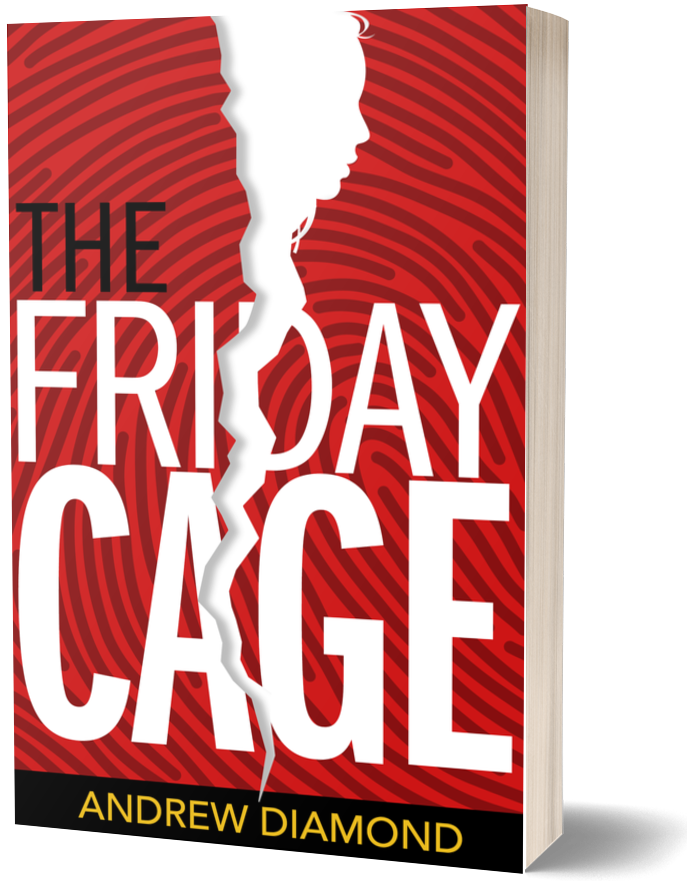
The Friday Cage
Someone new has taken an interest in Claire Chastain. He circles her house when she’s alone, follows her on errands across town and leaves little things disturbingly out of place inside her home. But who is he? And what does he want?
Ingenious and gloriously unpredictable... one of the most compelling and odd private investigators in literature today. - Readers’ Favorite
A deeply psychological crime thriller... Highly recommended. - BestThrillers.com
A compelling saga that moves in satisfyingly unexpected directions, keeping the reader engaged in the evolution of a character who never gives up, on either her pursuit or herself. - Midwest Book Review
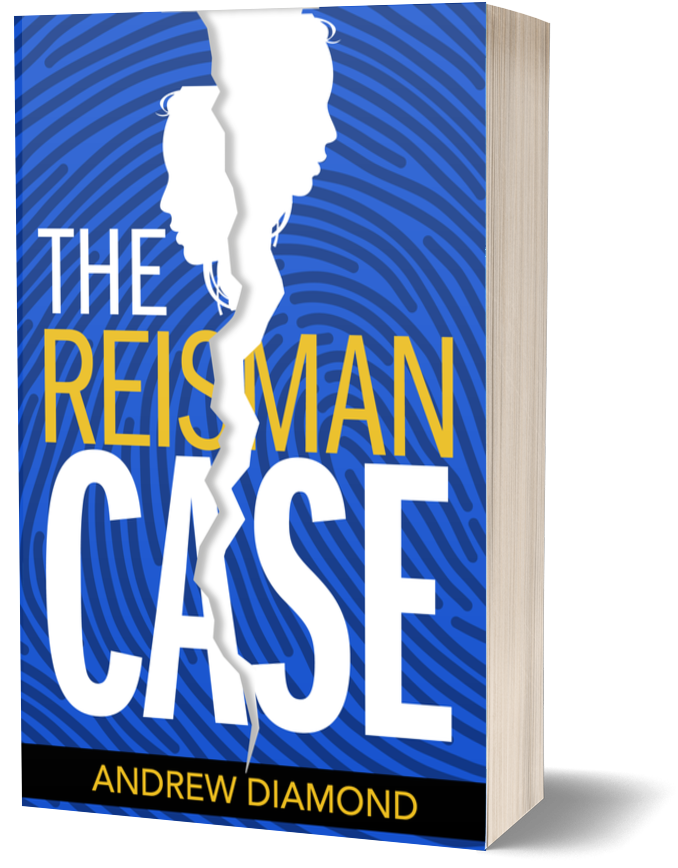
The Reisman Case
When a simple case spirals out of control, Claire Chastain becomes the chief suspect of her own investigation.
"A truly original detective thriller that delivers a relentless cadence of mind-blowing revelations. Highly recommended." — BestThrillers.com
"A gripping murder mystery... with the suspense and intensity growing with every page." — Readers' Favorite ★★★★★
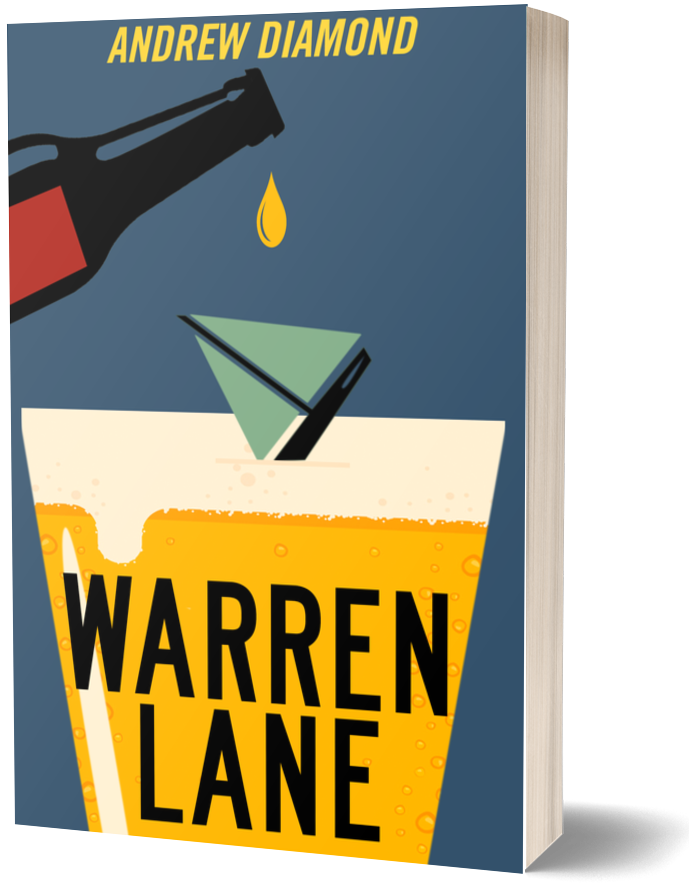
Warren Lane
Her husband is cheating, his mistress is unstable, and something is definitely wrong with that Warren Lane character. How could a PI screw up such a simple case?
A charming comedy of errors... The plot has enough unexpected surprises to keep things interesting until the very last page, upending all the characters’ lives with mischievous delight. — IndieReader (4.5 stars)
A quirky, intriguing and wholly original read. — Readers’ Favorite
This book is for fans of Elmore Leonard stories and Coen Brother’s movies. — everythingnoir.com
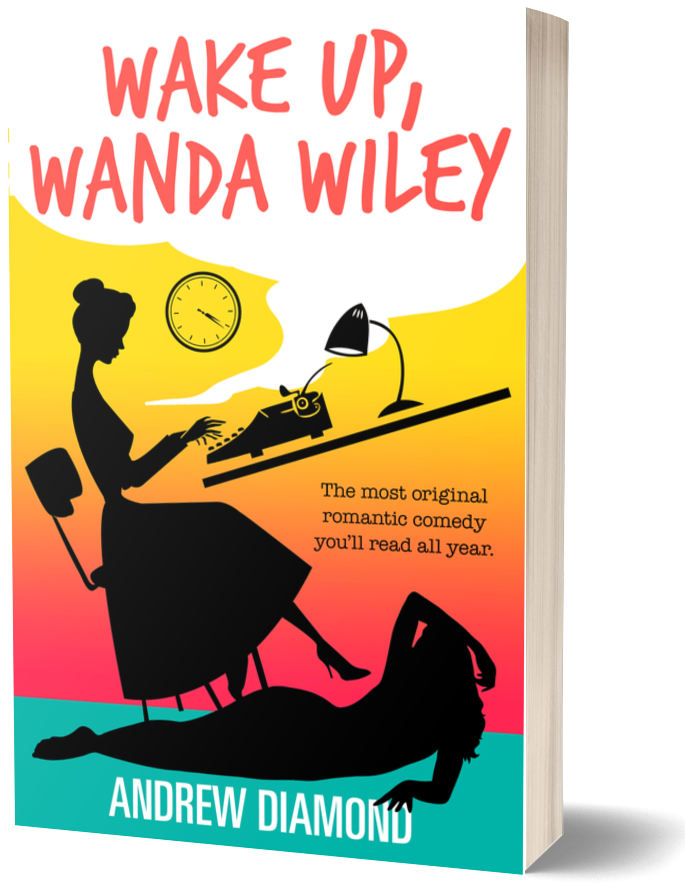
Wake Up, Wanda Wiley
When a romance writer's love life goes down the drain, her own fictional characters step in to save her.
Diamond’s prose is funny and barbed... A well-crafted literary satire with something to say about genre fiction. – Kirkus Reviews
A bright and original rom-com with a cast of really enjoyable characters... Highly recommended read for fans who are tired of the tropes and want something brand new to enjoy. – Readers’ Favorite